Shop commercial trucks, vans and work-ready vehicles from Quirk Auto Dealers and learn how qualifying business vehicle purchases may be eligible for valuable Section 179 tax deductions.
Whether you need one work truck or are expanding an entire fleet, Quirk Auto Dealers offers commercial vehicles from four of America’s leading truck and work-vehicle brands.
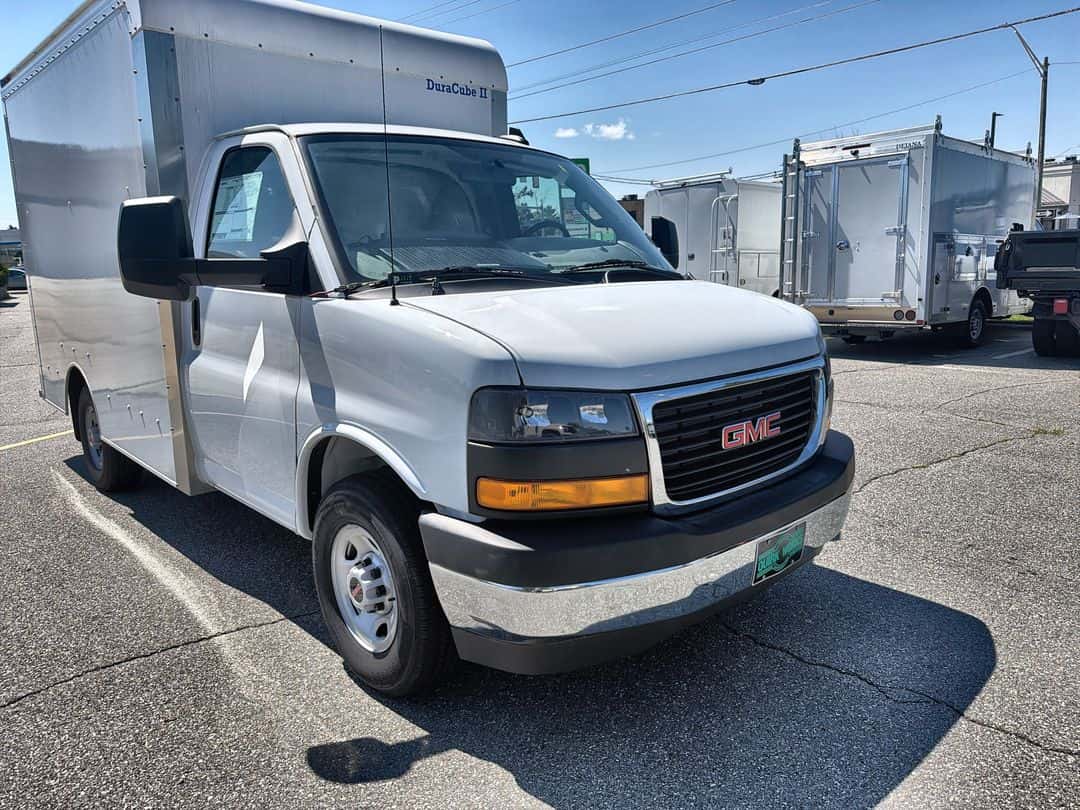
Section 179 of the Internal Revenue Code allows qualifying businesses to expense certain equipment and vehicles placed in service during the tax year rather than recovering the entire cost through depreciation over many years. For some qualifying commercial vehicles, this can create a significant first-year tax deduction. Eligibility depends on the vehicle, how it is used, when it is placed in service, the taxpayer’s specific situation, and current IRS rules.
Tax information is provided for general informational purposes only. Vehicle and taxpayer eligibility vary. Consult your qualified tax professional regarding your individual circumstances.
A vehicle generally must be used more than 50% for qualified business use to qualify for a Section 179 deduction. The deductible amount may be reduced based on the percentage of eligible business use.
Tax treatment can vary depending on Gross Vehicle Weight Rating (GVWR), vehicle configuration, passenger capacity, cargo area, business-use percentage, and whether the vehicle is considered a passenger automobile, SUV, truck, van or another qualifying commercial vehicle.
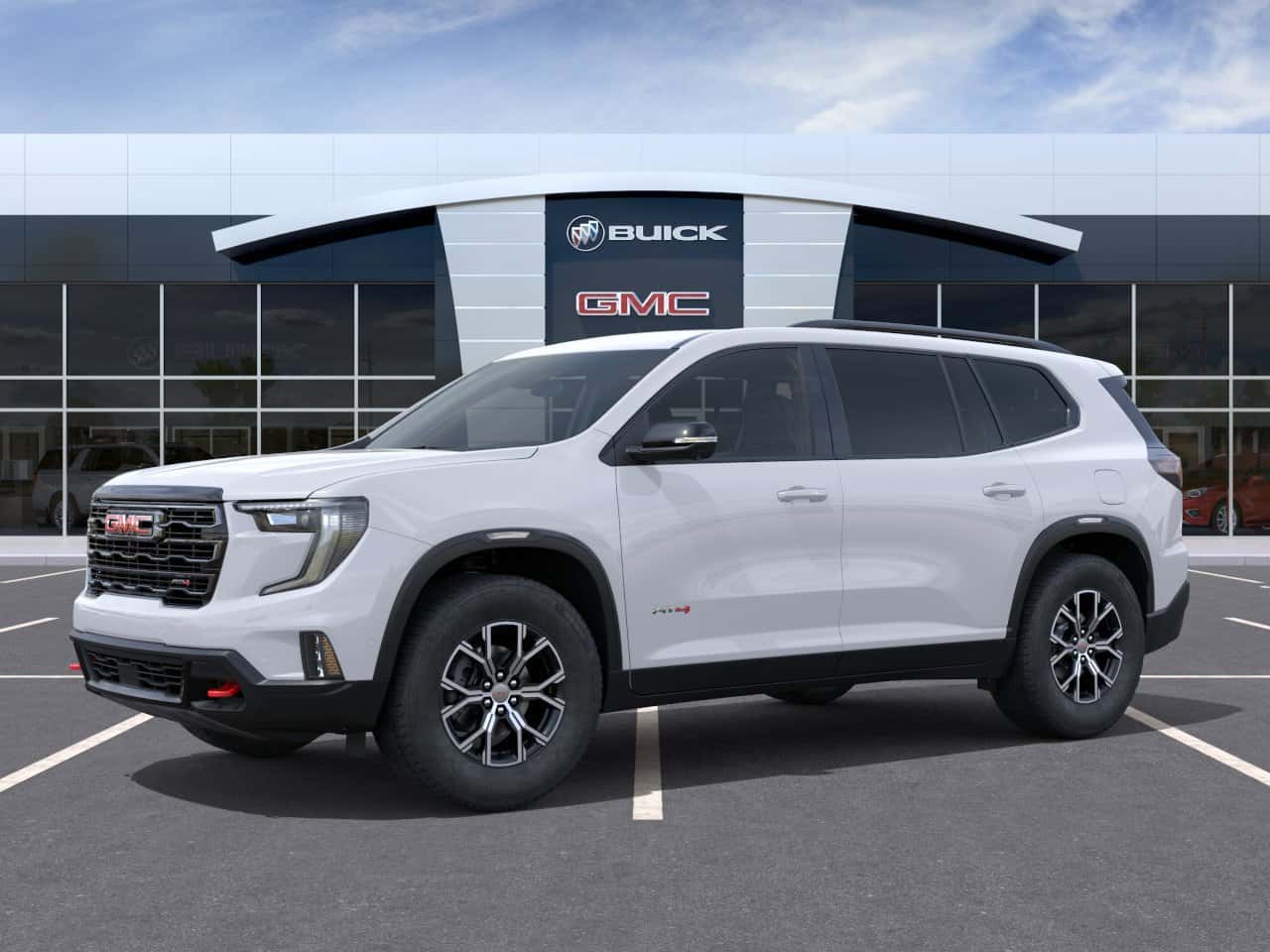
For tax years beginning in 2026, the IRS states that the Section 179 cost limitation for certain sport utility vehicles is $32,000. Some commercially configured vehicles may be excluded from this limitation based on IRS definitions.
For tax years beginning in 2026, the overall Section 179 expense deduction limit is $2,560,000. The deduction begins to phase out when qualifying Section 179 property placed in service during the year exceeds $4,090,000. These are business-level limits and are not vehicle-specific purchase guarantees.
Current federal law allows 100% bonus depreciation for certain qualified property acquired and placed in service after January 19, 2025, subject to eligibility requirements. In qualifying situations, businesses may be able to use Section 179 first and then apply bonus depreciation to remaining eligible basis.
Buying or ordering a vehicle alone may not be enough. For depreciation purposes, a qualifying vehicle generally needs to be placed in service during the applicable tax year.
Potential deductions depend on Section 179 eligibility, vehicle classification, GVWR, business use, bonus depreciation eligibility, taxable business income, other equipment purchased during the year, and applicable federal and state tax rules.
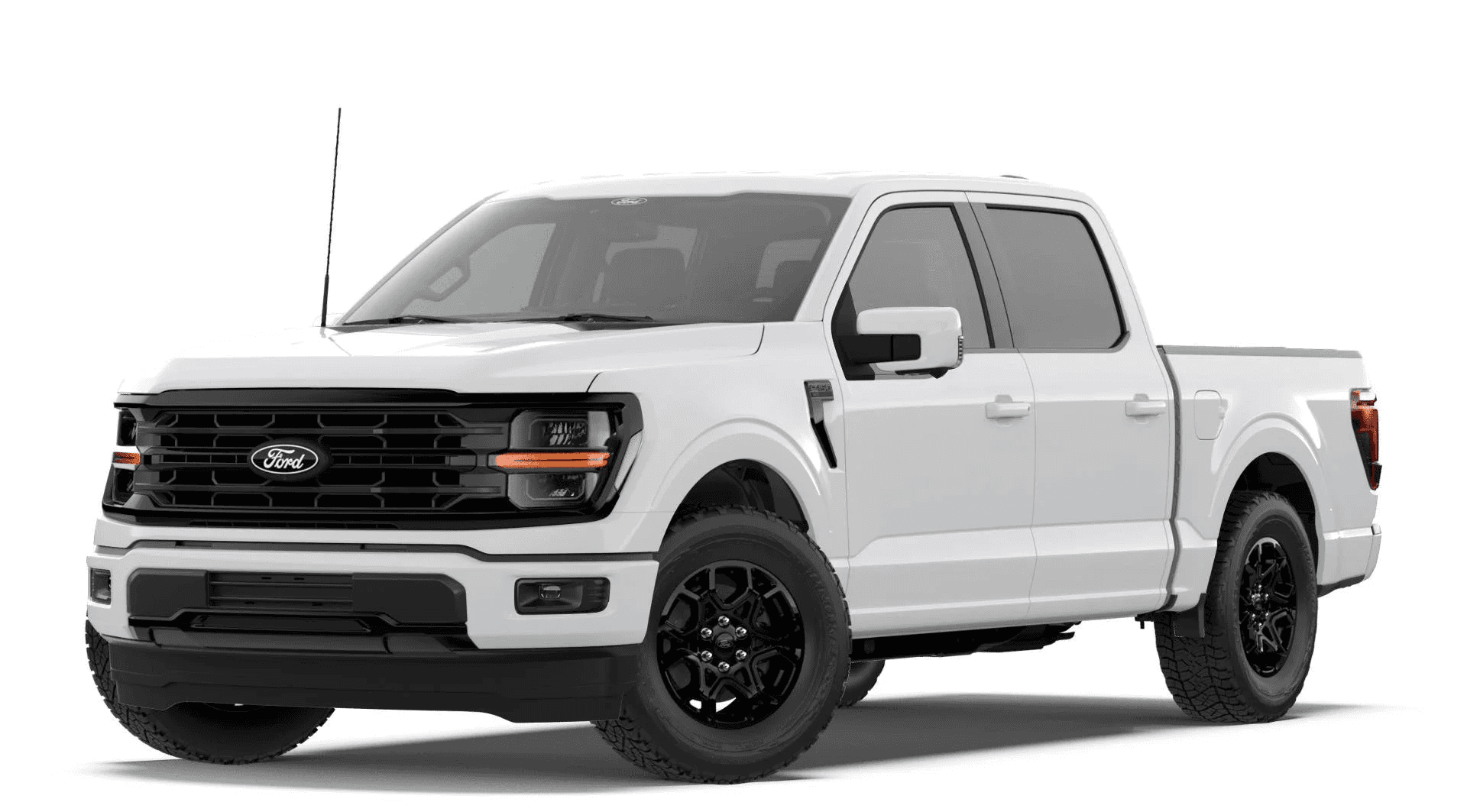
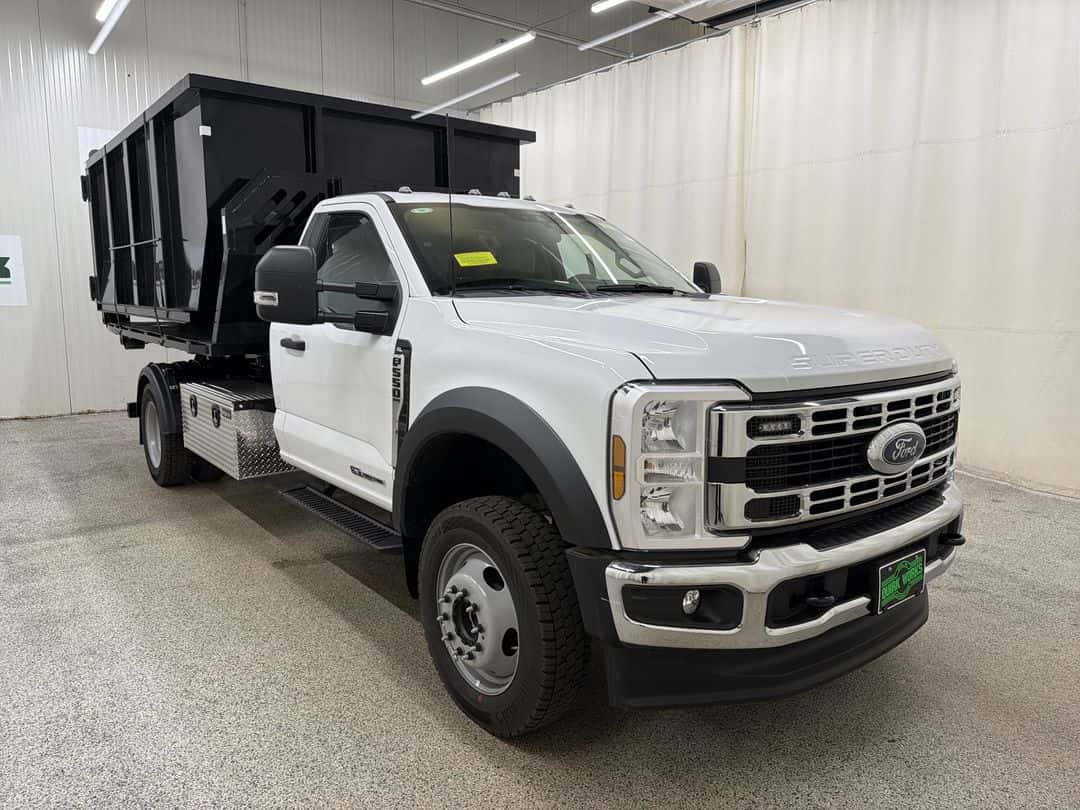
For contractors, construction crews, towing, equipment hauling and everyday business use.
Shop Commercial Trucks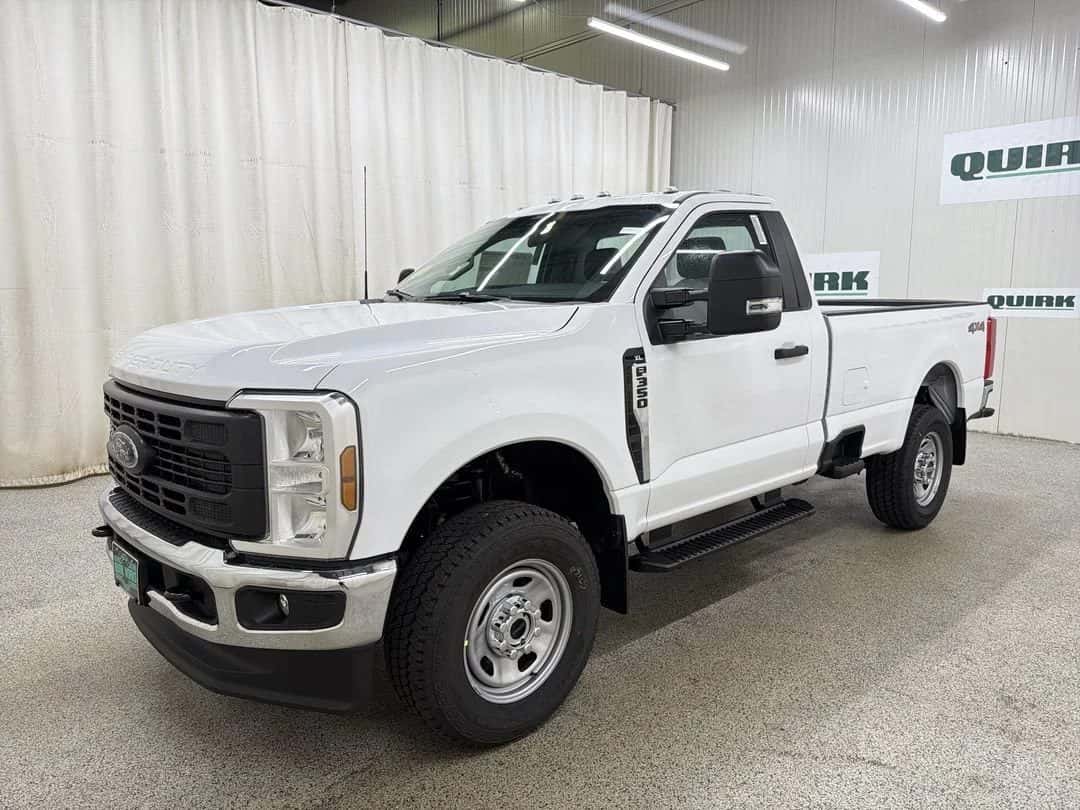
For businesses that need additional towing, payload and work capability.
Shop Heavy-Duty Trucks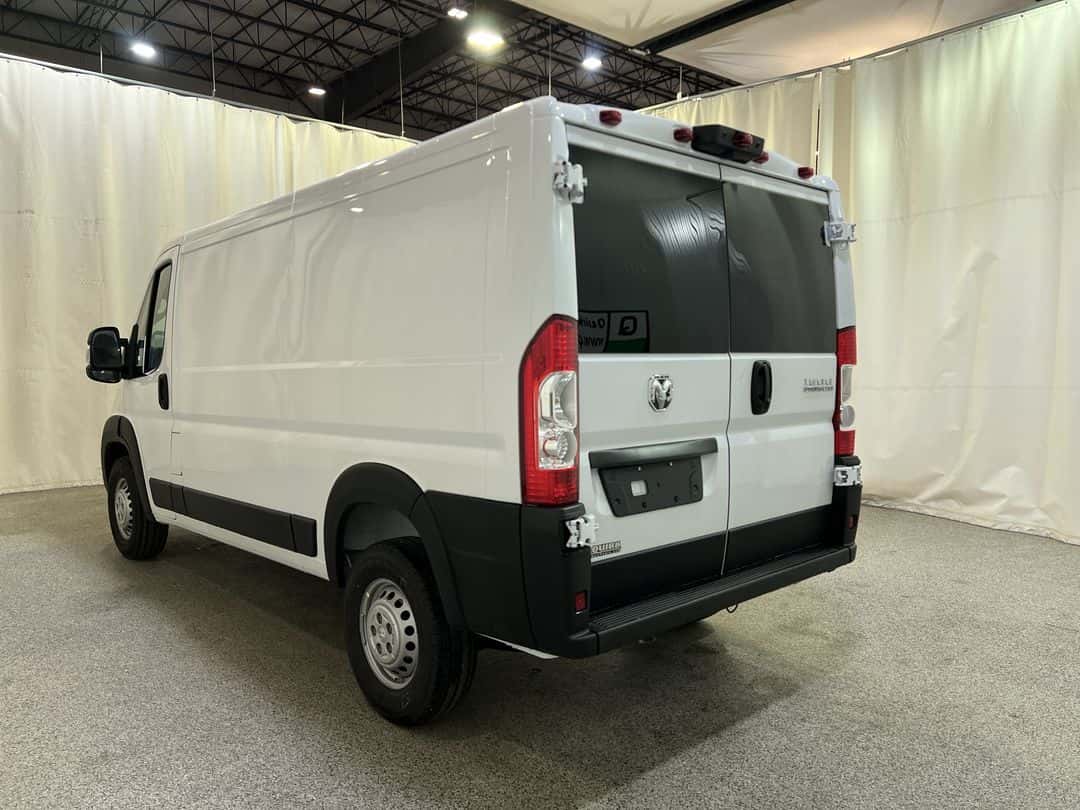
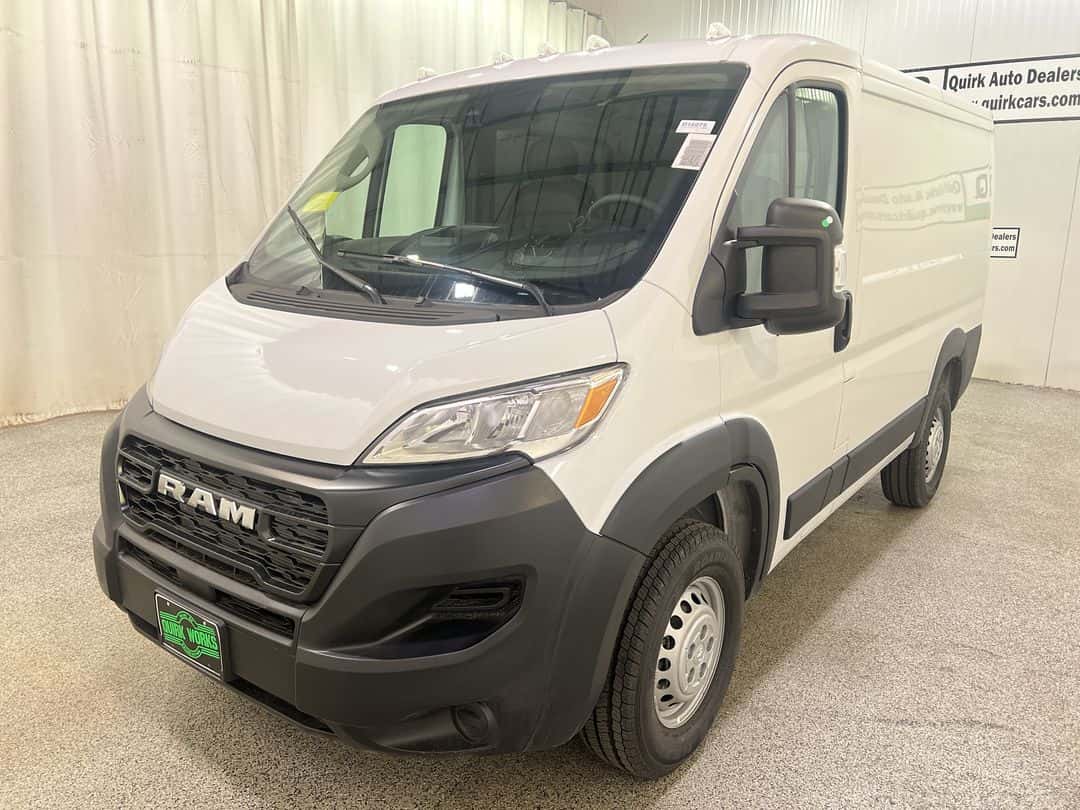
For service businesses, delivery companies, electricians, plumbers, HVAC companies and mobile operations.
Shop Cargo Vans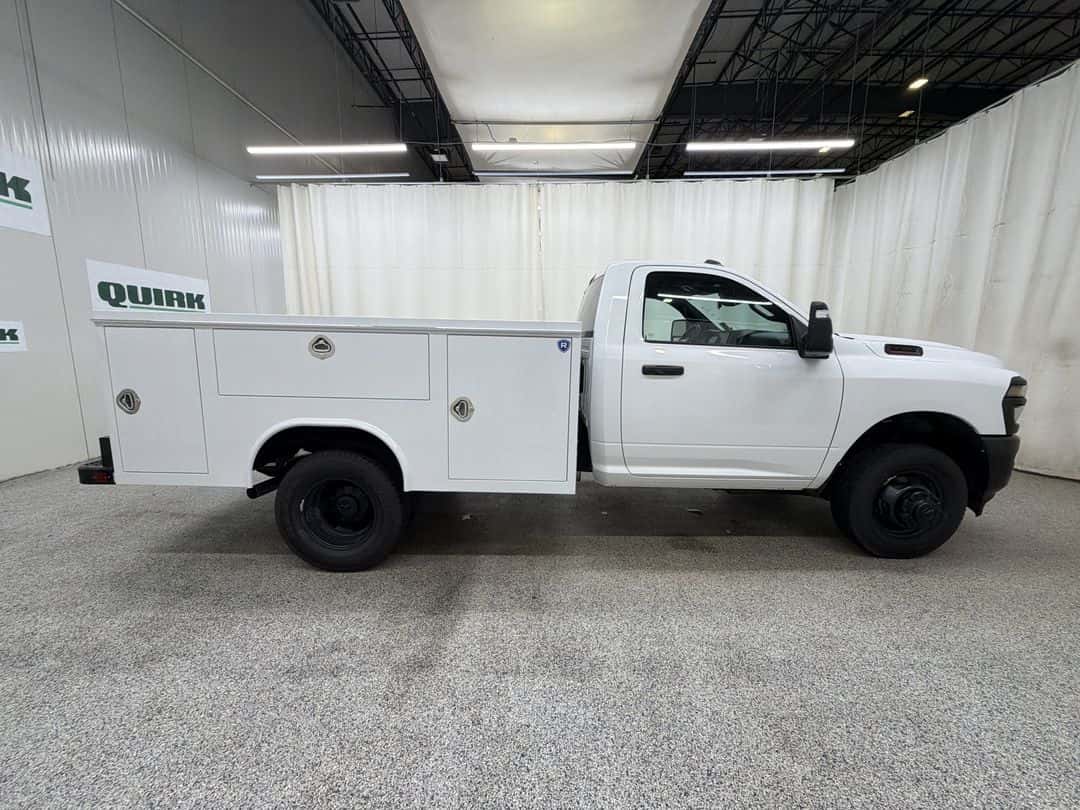
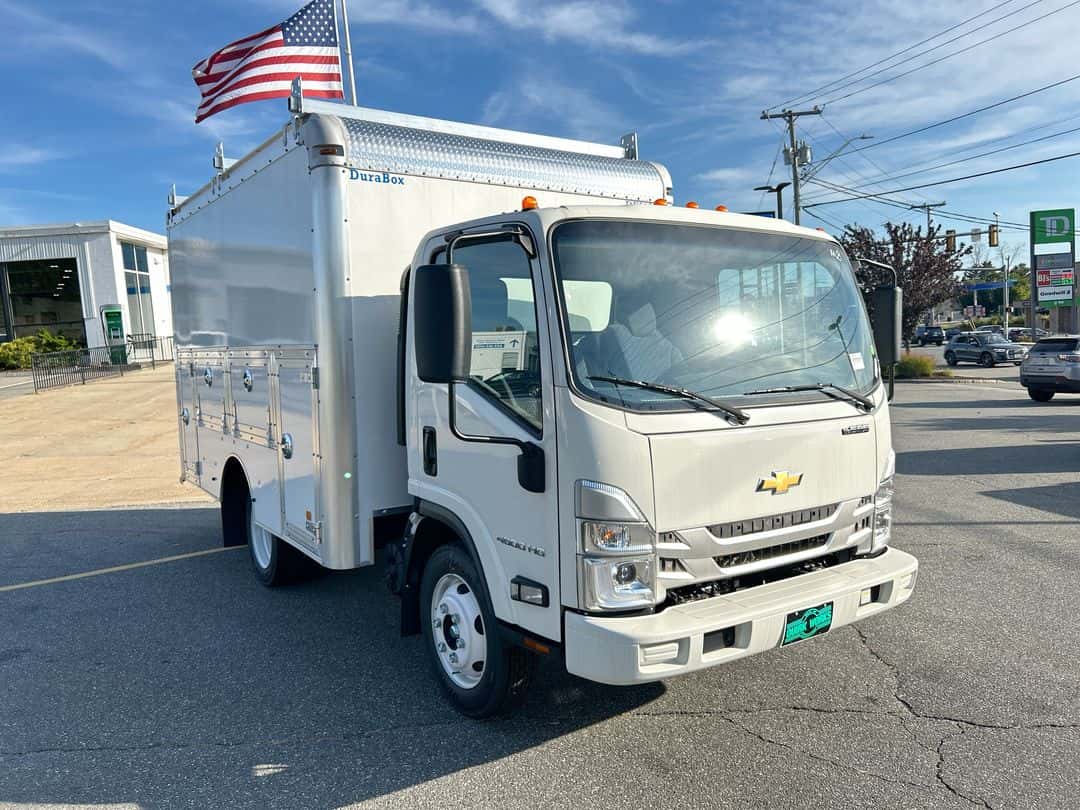
For specialized business applications and custom bodies.
Shop Work-Ready VehiclesShop Chevrolet, GMC, Ford and Ram commercial vehicles.
Connect with a Quirk location specializing in the vehicle your business needs.
A broad selection of trucks, vans and work-ready vehicles across the Quirk network.
Commercial vehicle specialists who understand work-truck and fleet needs.
Access to available commercial vehicle financing options.
Quirk’s dealership network can help businesses maintain their vehicles after purchase.
540 Southern Artery, Quincy, MA 02169
444 Quincy Ave, Braintree, MA 02184
1250 S Willow St, Manchester, NH 03103
442 Quincy Ave, Braintree, MA 02184
1250 S Willow St, Manchester, NH 03103
40 Hallet St, Boston, MA 02124
830 Plain St, Marshfield, MA 02050
Section 179 is a federal tax provision that allows qualifying businesses to elect to expense eligible business property in the year it is placed in service, subject to applicable limits and requirements.
Potentially, but not every vehicle or taxpayer qualifies for the same deduction. The deduction depends on factors including vehicle classification, GVWR, vehicle configuration, business-use percentage, purchase and placed-in-service date, taxable business income, Section 179 limits, and bonus depreciation eligibility. Customers should consult a tax professional.
No. Vehicles below 6,000 lbs can still qualify for business depreciation deductions, although passenger automobile depreciation limits may apply. Vehicles above 6,000 lbs may be treated differently depending on their classification and configuration.
A vehicle generally must be used more than 50% for qualified business use to claim Section 179.
Certain used property may qualify if it meets the applicable tax requirements. Customers should confirm eligibility with a tax professional.
Financing by itself does not necessarily prevent property from qualifying. Eligibility depends on the applicable tax rules and the customer’s circumstances. A tax professional should determine the deductible basis and timing.
The relevant tax rules generally focus on when qualifying property is placed in service, not simply when a purchase agreement is signed.
They can potentially be used together for qualifying property. Section 179 is generally applied before bonus depreciation. Customers should consult their accountant or tax advisor.
Explore commercial trucks, vans and work-ready vehicles from Chevrolet, GMC, Ford and Ram at Quirk Auto Dealers. If you’re considering a vehicle purchase for your business, our commercial specialists can help you find the right vehicle while your tax professional helps determine which deductions may apply.
Quirk Auto Dealers does not provide tax, legal or accounting advice. Information regarding Section 179, bonus depreciation and other tax provisions is provided for general informational purposes only and may change. Eligibility and deduction amounts depend on the taxpayer, vehicle classification, vehicle configuration, business-use percentage, placed-in-service date, taxable income and other factors. Not every vehicle qualifies for the same deduction. Consult a qualified tax professional before making a vehicle purchase based on anticipated tax treatment.